
On 10 June 2026, the Knowledge Exchange Forum "Research and Experience: What the Can’t Wait to Learn Study Has Shown" was held in Cherkasy. The event, organised with the participation of researchers from Uman National University and supported by the Department of Education and Science of the Cherkasy Regional State Administration, served as a platform for presenting findings from the large-scale evaluation of the Can’t Wait to Learn (CWTL) programme implemented in Ukrainian schools with the support of War Child Alliance.
The Forum brought together teachers from intervention and comparison schools, school leaders, representatives of regional education authorities, and professionals from institutions of postgraduate teacher education across Cherkasy region. The event aimed to disseminate the research findings and facilitate professional reflection on the implementation of the programme in educational practice.
The Forum was organised by a multidisciplinary team, including Oksana Zabolotna, Professor in the Department of Foreign Languages and Intercultural Communication and National Research Coordinator of the study; Natalia Hut, Associate Professor in the Department of Foreign Languages and Intercultural Communication; Oksana Hnatiuk, Associate Professor in the Department of Mathematics, Physics, and Integrative Technologies for Science Education; Nataliia Shelenkova, Associate Professor in the Department of Psychology; Anna Tsybulko, Lecturer in the Department of Social and Inclusive Education; Roman Panchenko, PhD Candidate; and Yelyzaveta Panchenko, Master's student in Clinical Psychology (Psychodynamic Approach) at the Ukrainian Catholic University.
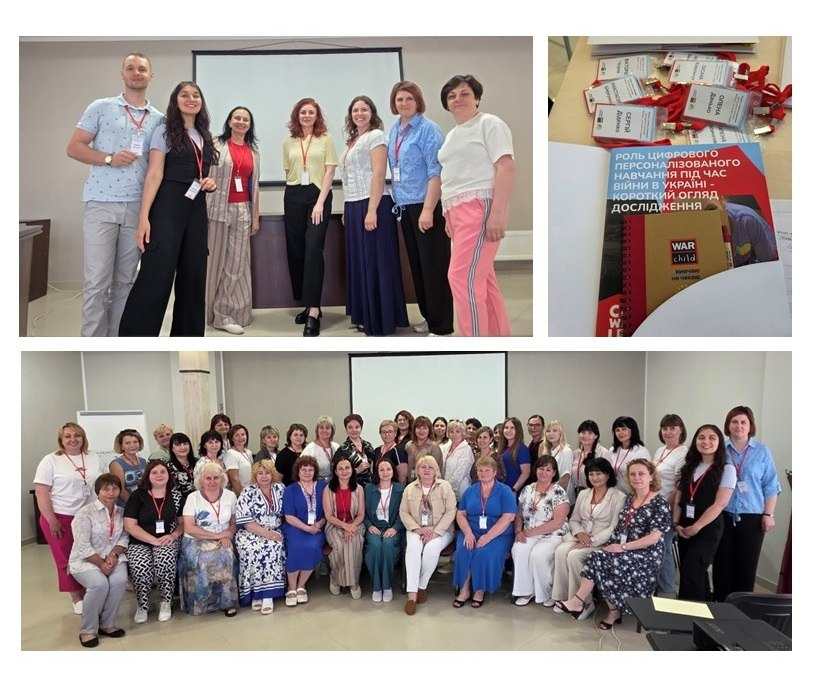
The programme presented key findings from the evaluation, including the research design and implementation process, ethical procedures, and approaches to safeguarding participants' privacy and personal data. Participants reviewed evidence demonstrating the programme's contribution to the development of mathematical competence, reading literacy, and learners' psychosocial well-being. Particular attention was also given to the programme's potential to support children with special educational needs within inclusive learning environments.
A panel discussion featuring teachers who had implemented the programme in their schools provided an opportunity to connect research evidence with classroom practice. The participants reflected on their experiences, discussed implementation successes and challenges, and explored opportunities for scaling innovative, evidence-informed educational practices.
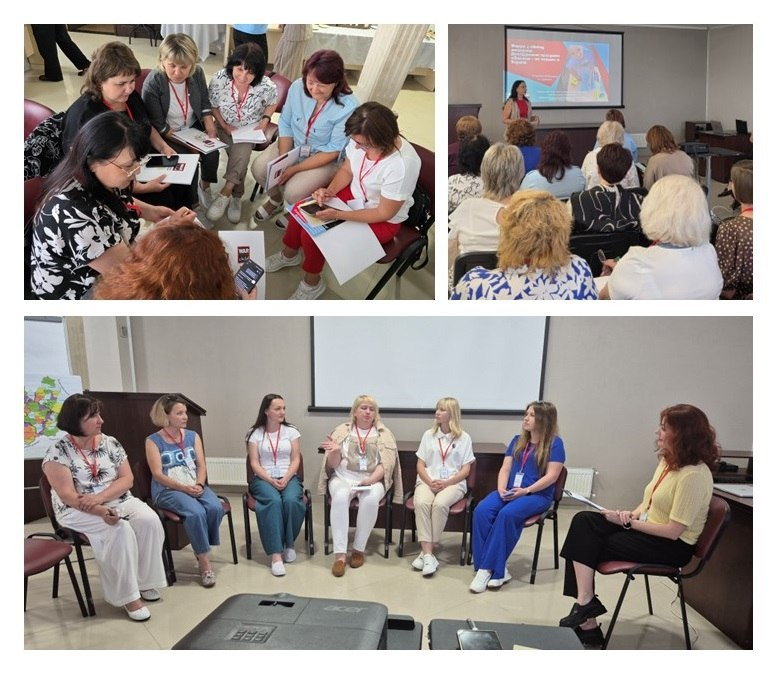
The Forum highlighted the value of collaboration between researchers, educators, and education authorities in generating and applying research evidence to improve educational outcomes. It demonstrated the potential of evidence-based educational innovations to enhance learning, strengthen student well-being, and support more inclusive and resilient education systems in the face of contemporary challenges.