As part of the 9th All-Ukrainian Psychological Readings “Enhancing the Professional Competence of Future Psychologists” held on 14 May 2026 at the Department of Psychology of Uman National University, the findings of the Can’t Wait to Learn (CWTL) study on the psychosocial well-being of students and teachers were presented.
The presenter Nataliia Shelenkova, Candidate of Psychological Sciences, associate professor at Uman National University focused on the psychosocial well-being of students and teachers while using the Can’t Wait to Learn digital education programme in the context of war and an unstable educational environment. Particular attention was given to children’s emotional well-being, learning motivation, sense of safety, emotional regulation, psychological resilience, and the development of self-confidence.
The researchers highlighted that Can’t Wait to Learn serves not only as an educational tool but also as an important source of psychosocial support for both students and teachers. Its gamified learning environment helps create a positive emotional atmosphere, increases students' engagement in learning, and sustains their interest in education despite the ongoing stress caused by the war. At the same time, the digital application enables teachers to organise classroom activities more flexibly by creating opportunities for students to work independently while also reducing teachers’ workload and supporting their psychological well-being.
The participants of the Psychological Readings recognised the relevance of the study in addressing contemporary educational challenges. They emphasised the importance of promoting the psychosocial well-being of all participants in the educational process and acknowledged the potential of digital education programmes as effective tools for fostering emotional resilience, learning motivation, and psychological well-being among both students and teachers.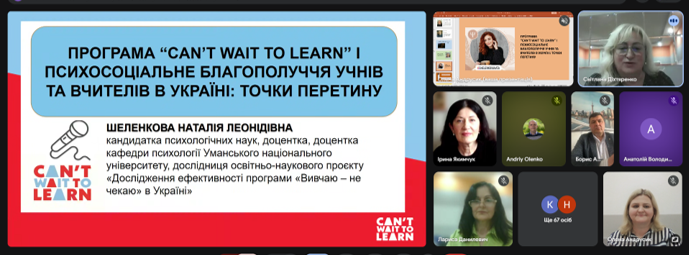
Share on Facebook